
Some achievements are about the result. Others are about the journey it took to get there.
The latest Cranbourne House CQC Good rating is an example of exactly that. It reflects years of learning, change, determination and, above all, a collective commitment to getting things right for the people who call Cranbourne House home.
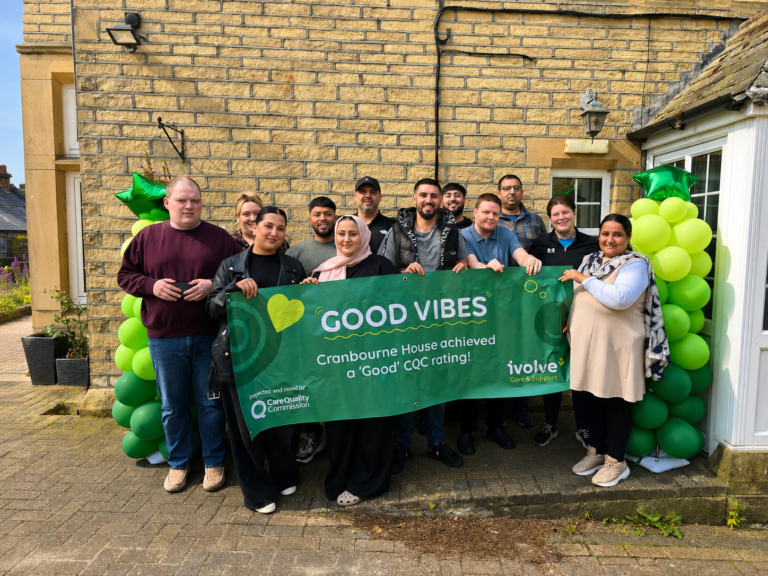
Following its latest assessment, Cranbourne House, our residential care home in Bradford, has been rated Good overall by the Care Quality Commission (CQC), with every one of the five key areas – Safe, Effective, Caring, Responsive and Well-led – rated Good.
For Registered Manager Muj, and the wider Cranbourne House team, it is an achievement carrying a lot of emotion.
Sharing the news, Muj said, “It’s a fantastic achievement! I’m really proud and honoured. The team have shown real commitment to improving the lives of the people we support.”
This was his first CQC inspection as a Registered Manager, he said he couldn’t have asked for a better result. And perhaps, what makes this story so powerful is what changed along the way.
“It’s a fantastic achievement! I’m really proud and honoured. The team have shown real commitment to improving the lives of the people we support.”
Muj, Registered Manager
Turning challenge into meaningful quality improvement
Cranbourne House’s previous CQC inspection in 2023 rated the home as Requires Improvement overall. This was disappointing and below the standards we expect of our homes and the care and support we provide.
At that time, inspectors highlighted areas we needed to strengthen. These included the management and monitoring of risk, recording and reviewing incidents, learning when things went wrong and elements of governance and oversight.
When Muj took over Cranbourne House in August 2024, he knew there was significant work ahead.
“There was no straight plan,” he remembers. “In every corner, there was stuff to do.”
From medicines and finances to care planning, the environment and team morale, there wasn’t one simple change that would transform Cranbourne House overnight. Muj and the wider team needed to look at the whole picture, understand where the greatest priorities were and begin working through them methodically.
With support from the wider operational and quality teams, an improvement plan was developed and regularly reviewed. As Muj explained, the approach wasn’t going to be easy, and it wasn’t going to happen overnight.
The work was broken down, prioritised and tackled step by step using the findings from the previous inspection. But rather than treating the inspection report as a checklist to complete, the focus became making improvements that could be seen and felt in everyday life at Cranbourne House.
That meant strengthening systems and looking beyond them. Processes needed to become more reliable. Learning needed to translate into action. Colleagues needed the right skills, knowledge and support. Risks needed to be understood consistently.
Most importantly, quality improvement needed to remain rooted in one question: What difference does this make to the person being supported?
"Quality improvement meant looking honestly at people’s everyday experiences and being willing to make meaningful changes where something wasn’t working."
Listening first – to colleagues and people supported
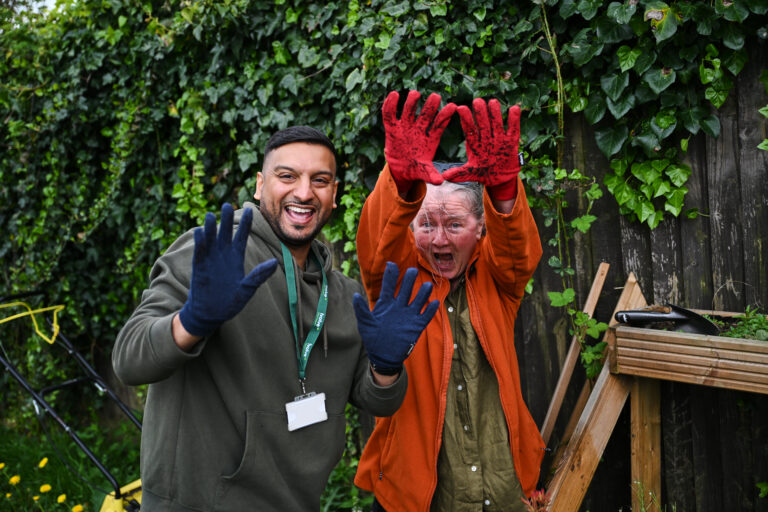
One of Muj’s first priorities was understanding Cranbourne House through the eyes of the people experiencing it every day.
He remembered, “When I first went into Cranbourne, I had a one-to-one with each and every single team member,” Muj explained. “And I sat down with the people we support and saw what the recurring theme was… what wasn’t working.”
Those conversations helped the team look closely at everything from relationships and support approaches to whether the people living together at Cranbourne House were genuinely compatible.
Where the home was no longer the right environment for someone, appropriate moves were carefully considered and supported. For Muj, the principle behind those decisions was simple: people should be able to live somewhere that genuinely feels like their home.
Quality improvement meant looking honestly at people’s everyday experiences and being willing to make meaningful changes where something wasn’t working. The results of that work are now clear.
During the latest assessment, CQC found that the overall quality of the home had improved and highlighted a strong learning culture to establish safe systems of care.
The shift from identifying where things needed to improve to building a culture where learning becomes part of everyday practice sits at the heart of the Cranbourne House story.
“I’m very open and transparent. If something went wrong or wasn’t quite as good as it could be, I would tell them: ‘Look, this is what’s wrong, but this is what we’re doing to fix it.’”
Muj, Registered Manager
A stronger culture of safety, learning and consistency
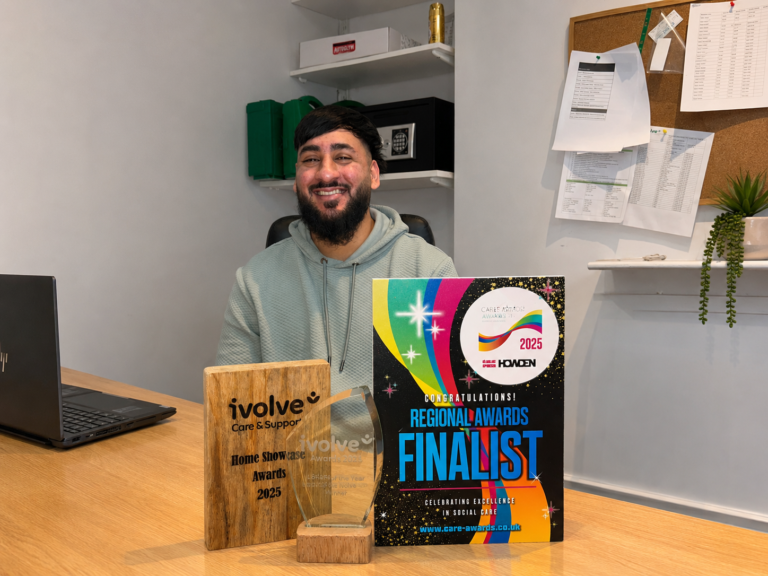
The latest CQC assessment gives a clear picture of how the work behind the scenes has translated into better support. This is particularly significant when viewed against the areas identified for improvement during the previous inspection.
In 2023, CQC raised concerns about consistency when recording incidents, how quickly some incidents were reviewed. By 2026, CQC described something noticeably different: a strong learning culture, detailed quality checks and audits, clear leadership and a cohesive management and quality team supporting the home.
For Muj, an important part of achieving that was creating a culture where colleagues felt able to speak openly when something wasn’t right. “I’m very open and transparent,” he said. “If something went wrong or wasn’t quite as good as it could be, I would tell them: ‘Look, this is what’s wrong, but this is what we’re doing to fix it.’”
That openness extended beyond formal meetings. Muj introduced an open-door approach, spending time alongside colleagues and creating opportunities for everyday conversations.
“I wasn’t micromanaging,” he explained. “I would allow the team to use their skills and their knowledge and give them the chance to make improvements and decisions too.”
This is important, because it highlights that sustainable quality rarely comes from one big change. It comes from the small things being done well, consistently.
A conversation followed up. A record completed properly. An incident reflected upon. A colleague given the right training. A person’s changing needs noticed. A concern openly discussed. A team confident enough to learn, challenge and improve together.
“I’ve seen changes in the atmosphere with the people we support, the compliance aspect, the quality audit and within the team itself.”
Muj, Registered Manager
The Cranbourne House CQC Good rating belongs to people
Of all the findings within the report, some of the most powerful are those around how Cranbourne House feels.
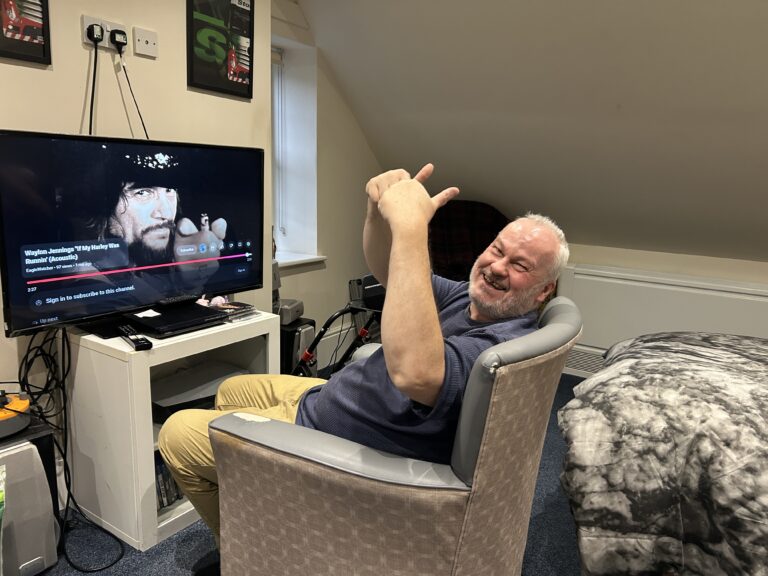
CQC described a warm and inclusive atmosphere and reported that colleagues were kind, caring and knew people well. Inspectors saw people being supported to live as independently as possible, with their views listened to and their choices respected. People we support and their relatives also gave consistently positive feedback about their experiences too.
Inspectors observed trusting relationships between people and colleagues. Independence was routinely encouraged, while people were actively involved in the everyday running of their home – from household tasks and shopping to decisions about its design and decoration.
For Muj, some of the clear signs that Cranbourne House was changing came through much smaller, everyday moments. He remembers noticing people comfortably spending time across different areas of their home rather than feeling confined to one space.
He said, “That’s when I realised that we’re going in the right direction. I’ve seen changes in the atmosphere with the people we support, the compliance aspect, the quality audit and with the team.”
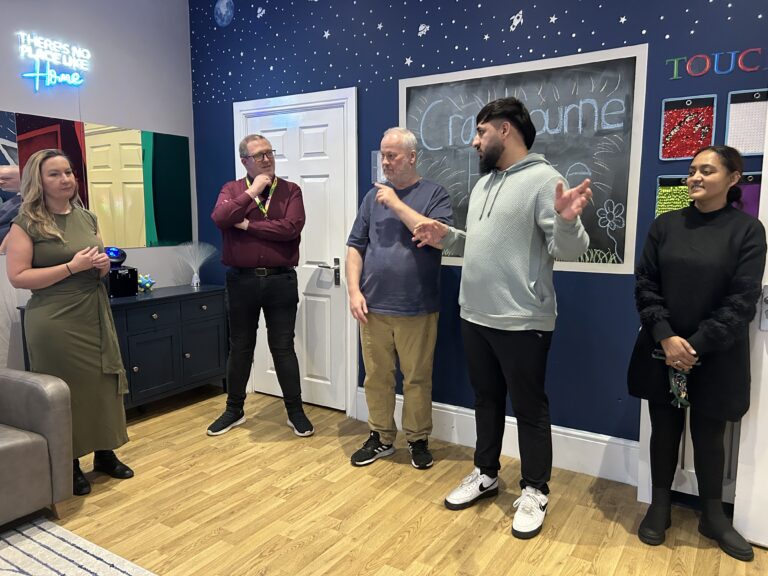
That sense of change can also be seen throughout Cranbourne House itself. Its sensory room, for example, has been transformed into a galaxy theme, designed together by the people who live at Cranbourne House and their support team.
A multi-faith room has also been created alongside the people living there, offering a dedicated space where people can practise and express an important part of who they are.
These changes tell a bigger story. Because a good home should belong to the people living there. And Cranbourne House is that and more.
“When I saw the Good rating and that every area was Good - my hand was shaking. I just sat in my chair thinking, since 2024 when I took over, putting all this work in… finally, we’ve got the rating we wanted.”
Muj, Registered Manager
Good leadership – and a whole-team achievement
Strong homes need strong leadership, but they are never created by one person alone. CQC found that Cranbourne House had a clear vision and strategy, backed by a cohesive management and quality team. Inspectors also noted detailed audits and checks designed to identify shortfalls and ensure action was taken where needed.
Muj himself was described by CQC as having the skills, knowledge and experience required for his role and as being respected and valued by both people living there and the team. The assessment concluded that Cranbourne House had developed a positive, person-centred culture.
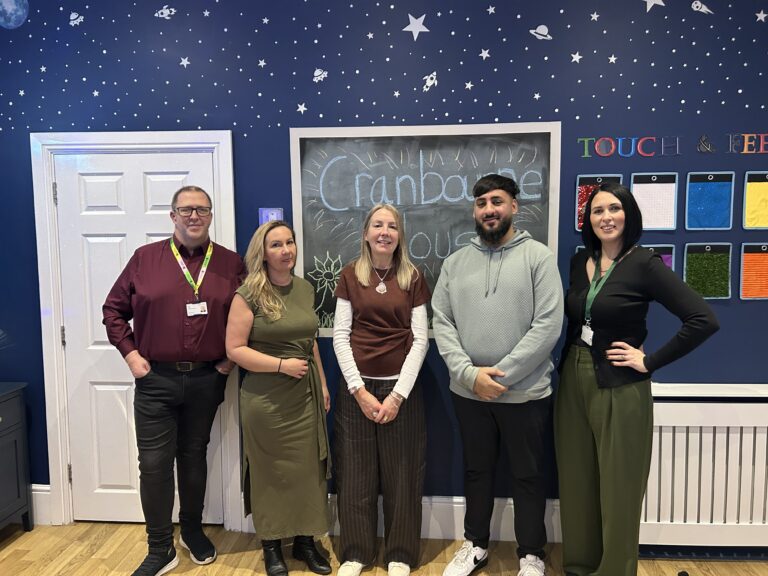
While Muj’s consistency and leadership have played an important part in the home’s journey, he is quick to place the achievement firmly with his team.
That became particularly clear when CQC arrived. The inspection was unannounced and came on Muj’s first day back following several weeks away from the home.
Far from being able to prepare everything for an inspection, the team had to rely on the systems, culture and standards that had already become part of everyday life at Cranbourne House.
Muj credits his Deputy Manager and wider team with keeping that consistency in place while he was away. And when inspectors arrived, they looked closely. “They didn’t even leave an inch of Cranbourne House where they didn’t look,” Muj joked. “They looked at every little possible thing they could possibly look at.”
In many ways, that made the result even more meaningful for them. This proved to the team that quality was happening when nobody knew CQC was coming. As Muj puts it: “You don’t wait for CQC. You need to always be ready.”
That collective ownership matters because quality doesn’t live in an audit folder. It lives in the relationships between people. It shows up in how colleagues respond when somebody has a difficult day, how confidently they advocate for someone, whether they notice the little things and whether people feel heard. Those are the moments no policy can manufacture.
Then came the wait. After the assessment, Muj remembers repeatedly refreshing his emails, waiting for the draft report to arrive. Eventually, it appeared.
“When I saw the Good rating and that every area was Good – my hand was shaking.” He remembers, “I just sat in my chair thinking, since 2024 when I took over, putting all this work in… finally, the rating that we wanted, is the rating we’ve got.”
Muj thought back to the improvement plan, the difficult days, the conversations, the changes and the sheer amount of work the team had put in.
“I’m happy that people are now noticing what we’ve actually done,” he said. “It’s a testament to the team.”
“When somebody walks through our front door. I want them to know that this is their home, their life and a place where they can feel safe, happy and do the things they love. That’s what I care about most.”
Muj, Registered Manager
From Good ratings to even better lives
The Cranbourne House CQC Good rating is something worth celebrating, particularly because every assessment area is now rated Good. But the most meaningful sentence in the latest report may be one that goes beyond ratings altogether.
CQC found that people at Cranbourne received safe, person-centred and outcomes-focused care, and that the home met the principles of Right Support, Right Care, Right Culture.
Cranbourne House is not finished improving because the inspection has finished. The learning, reflection and curiosity that helped bring the home this far remains part of what happens next.
The ambition goes beyond maintaining a rating. It is to keep creating opportunities for people to grow in confidence, build independence, make meaningful choices, develop relationships, connect with their community and live a life that feels unmistakably their own.
For Muj and the team, the CQC result gives them a moment to look back with pride at how far Cranbourne House has come. He said, “For me, the real success story isn’t a green Good rating on a webpage, even though it’s nice to finally have it!”
He continued, “It’s what that improvement means when somebody walks through our front door. I want them to know that this is their home, their life and a place where they can feel safe, happy and do the things they love. That’s what I care about most.”
Congratulations to team Cranbourne House, we’re so proud of you!
Learn more about Cranbourne House
Our residential care home in Bradford features a sensory room, a dedicated quiet lounge and a multi-faith room, with spaces shaped around the people who call Cranbourne House their home.