
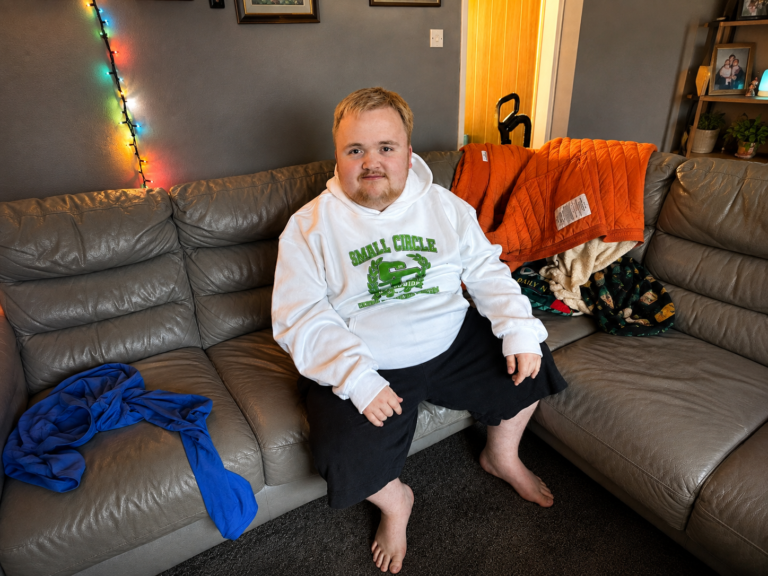
Ask Ben what he likes about living at Sandal, our residential care home in Wakefield, and his answer is beautifully simple. “Everything.” Spend a little longer talking to him and the details start to paint the picture.
There is the bedroom he chose to decorate blue and yellow for his favourite team, Leeds United. College. K-pop. Playing on his Nintendo Switch. Trips to the seaside, bowling and the cinema. Theme parks, fairs, holidays and time with the people who matter most to him. You name it, he’s doing it.
It sounds wonderfully ordinary. But for Ben, having a life shaped around his own routines, relationships, interests and choices represents something much bigger.
Ben is a young man with Smith-Magenis Syndrome, a rare genetic condition. Before coming to ivolve, he lived at home with his family, where he was loved and well cared for, but everyday life was becoming increasingly difficult for everyone to manage.
Ben could find changes and periods of overstimulation hard to navigate. His emotions could become heightened and family relationships were under increasing pressure.
His family knew something needed to change because they wanted more life for Ben. Then circumstances changed very quickly.
“I hoped that I was just being silly and he would absolutely love it, which he did. He fit in very quickly and soon found his place at Sandal.”
Stacey
Ben's Sister
Finding Sandal when everything changed
When Ben’s mum became unwell, an emergency referral was made through his social worker. At an already frightening and emotional time, Ben suddenly needed somewhere new to call home.
His sister Stacey remembers the uncertainty that came with that decision. Ben had lived with his family throughout his childhood and the idea of him leaving home felt big.
Would he like the place chosen for him? Would the people supporting him really understand him? Would they know how to respond when he felt overwhelmed? And, with everything happening so quickly, would there be enough time to help him settle?
Stacey said, “I hoped that I was just being silly and he would absolutely love it, which he did. He fit in very quickly and soon found his place at Sandal.”
That transition was about much more than moving Ben from one house to another. Sandal needed to become somewhere he could feel safe, understood and genuinely at home, while beginning to build a life that was increasingly his own.
For Chloe, Sandal’s Registered Manager, and the colleagues around Ben, that meant starting not with a list of things Ben found difficult, but with Ben himself.
"Ben responds best to collaborative support, where prompts and encouragement feel like ideas and opportunities rather than demands. It encouraged us to think creatively and adapt around Ben as an individual."
Chloe
Registered Manager
Understanding Ben, not just his diagnosis
The team took time to understand Smith-Magenis Syndrome and what it could mean for Ben, but knew the diagnosis was only the starting point. Both SMS and Ben’s experience of demand avoidance were new to colleagues, so his family played an important part in helping them understand what worked for him.
They learned that everyday requests could sometimes feel very different to Ben when presented too directly. Instead, colleagues began making support more collaborative – offering choices, turning prompts into ideas and opportunities and finding creative ways to encourage participation without making Ben feel pressured.
It meant thinking differently, sometimes thinking on their feet, and always coming back to the same question: what works for Ben?
Chloe said: “We quickly learned that the way we approached everyday routines and requests needed to be different. Ben responds best to collaborative support, where prompts and encouragement feel like ideas and opportunities rather than demands.” She continued, “It encouraged us to think creatively and adapt around Ben as an individual, rather than expecting him to fit into a particular way of working.”
That individual understanding is central to how we provide person-centred support for complex needs through our Strive model. For Ben, Strive has not been something separate from everyday life. Its foundations can be seen in the ordinary moments that have helped him settle and grow.
Even his bedroom tells part of that story. Ben chose to decorate it blue and yellow in honour of Leeds United. It might seem like a small decision at first glance, but having control over his own space helped turn somewhere new into somewhere recognisably his. Ben said, “I love my home, especially my room. I painted it Leeds United colours.” And as that feeling of safety and belonging grew, so did the opportunities to try more.
“I do my personal care every day, and this has been a struggle of mine in the past, but I can do it myself now.”
Ben
Person we support
Building independence, one everyday moment at a time
Independence for Ben has never meant being expected to manage everything alone. Instead, colleagues have focused on giving him the right support to participate more, make choices and develop skills at a pace that works for him.
That happens through ordinary life. Washing his own plate. Taking part in shopping. Making decisions. Completing everyday tasks. Developing routines around his personal care.
Through the Active Support at the heart of Strive, colleagues work with Ben rather than simply doing things for him. And those everyday moments have added up.
Personal care is something Ben says he previously found difficult. Today, completing it every day is one of the achievements he is proudest of. He said: “I do my personal care every day, and this has been a struggle of mine in the past But I can do it myself now.”
He is equally clear about how colleagues have helped him get there. “They help me with everything,” Ben said. “Going to college, trying new activities, decorating my own bedroom, completing life skills I have never done before, taking me on holiday, helping me stay safe and see my family.”
There is an important difference between doing things for somebody and giving them the support, encouragement and time to do more for themselves.
For Ben, that has created greater confidence in the practical parts of everyday life. And as that confidence grew, changes began to appear in another important area too – how Ben understood and communicated his emotions.
“I cannot emphasise enough how much Ben has matured since living at Sandal. He understands his emotions and why he feels certain ways at certain times more. That’s huge for him.”
Stacey
Ben's Sister
Finding the words when something feels wrong
Some of Ben’s biggest achievements are not the ones you can photograph. They are heard in conversations. Colleagues have spent time understanding what can contribute to Ben feeling overwhelmed and what helps him when emotions become difficult.
That understanding has helped create an environment where Ben can increasingly recognise and talk about those feelings for himself. Where he once found it more difficult to explain worries or communicate how he was feeling, he will now speak to colleagues he trusts and tell them when something is wrong.
Stacey has watched that change happen. She said: “I cannot emphasise enough how much Ben has matured since living at Sandal. He is understanding his emotions and why he feels certain ways at certain times more. That’s huge for him.”
Just as importantly, Ben has built different relationships with different colleagues. He knows who he wants to speak to if he is upset. He knows who he likes to have a laugh and joke with. And he has his own preferences about who supports him with different parts of his day.
Those relationships have grown naturally through consistency, trust and people taking the time to genuinely know Ben. Ben said: “The team know me and really care about me. They help me when I am down.”
And while new relationships were developing around Ben, colleagues were equally careful to protect the ones he already had.
“Chloe, the Manager, is brilliant at keeping me and the rest of the family informed. She makes us feel like we are also a part of the family there too.”
Stacey
Ben's Sister
Growing up without growing apart
Maintaining strong relationships with his family was one of Ben’s priorities when he moved to Sandal. It was important to his family that he knew that moving into his own home was never treated as moving away from family life.
Regular visits and contact remained part of Ben’s routines. His Key Worker became an important source of consistency around decisions and communication, while Chloe and the wider team kept close contact with those around him.
That partnership has always worked both ways. Ben’s family have shared their knowledge of Ben generously with colleagues, helping the team understand his diagnosis, communication and the approaches most likely to help him feel comfortable and engaged. Chloe describes them as an incredible support system for Ben and for the Sandal team – present, involved and trusting colleagues to help him build the life he wants.
For Stacey, that meant a great deal. She said, “Chloe, the Manager, is brilliant at keeping me and the rest of the family informed. She makes us feel like we are also a part of the family there too.”
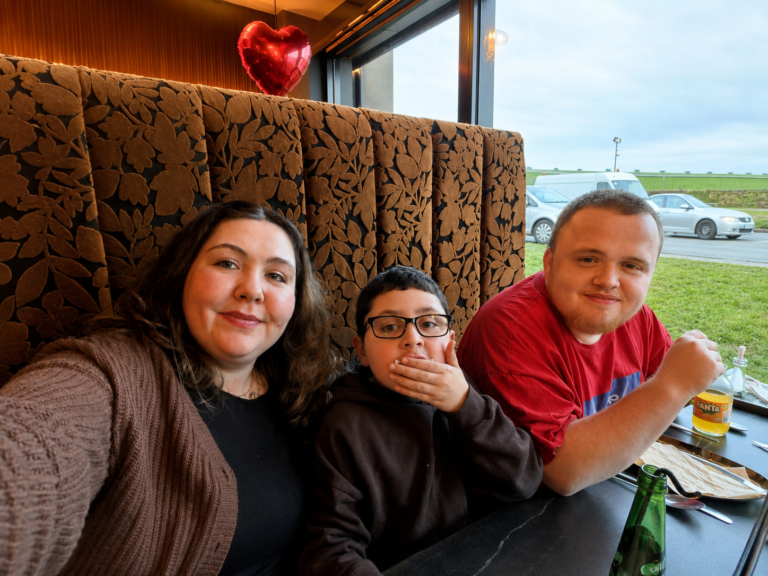
Ben’s family know they are welcome. They have been invited for meals, celebrations and trips out. They can visit Ben at Sandal and remain part of the things that matter to him. But something else has happened alongside that. Ben has developed a life that does not always involve them. And Stacey could not be happier about it.
“Ben is living his best life at Sandal,” she said. “He has so many new interests. He has a social life outside of his family and it’s so nice to see him doing things that don’t just involve us.”
Sometimes Ben even prefers to keep what he has been doing to himself. For Stacey, that is him growing up. Like any other young adult, Ben is beginning to have days out, conversations, relationships and stories that simply belong to him.
It is independence in one of its most natural forms. And that growing confidence has taken him well beyond Sandal’s front door.
“Ben is living his best life at Sandal. He has so many new interests. He has a social life outside of his family and it’s so nice to see him doing things that don’t just involve us.”
Stacey
Ben's Sister
Saying yes to a bigger world
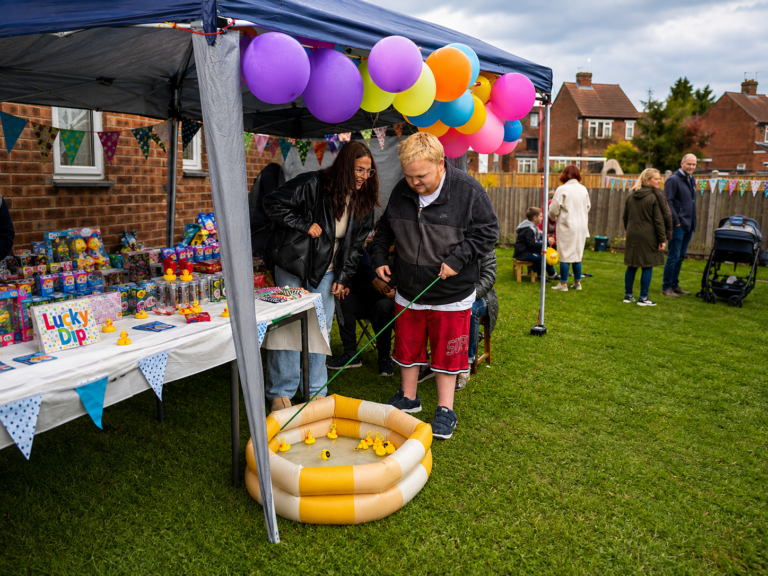
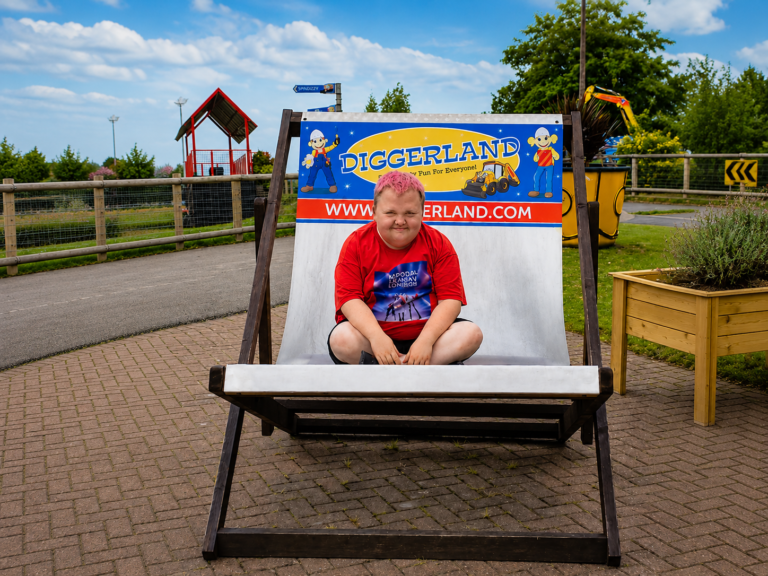
College was one of the things Ben hoped to continue when he first came to ivolve. Today, it is part of his life. Alongside his education have come new experiences: seaside trips, bowling, cinema visits, theme parks, fairs, holidays and even seeing one of his favourite K-pop bands.
The team describe their approach as a “yes” style of support. That doesn’t mean ignoring risk. It means starting with the question: how can we make this possible? Through thoughtful positive risk-taking, colleagues have supported Ben to experience new places and activities while helping him feel secure enough to enjoy them.
That balance between safety and opportunity is another important part of Strive. Feeling safe should not mean somebody’s world becomes smaller. For Ben, it has helped his world grow.
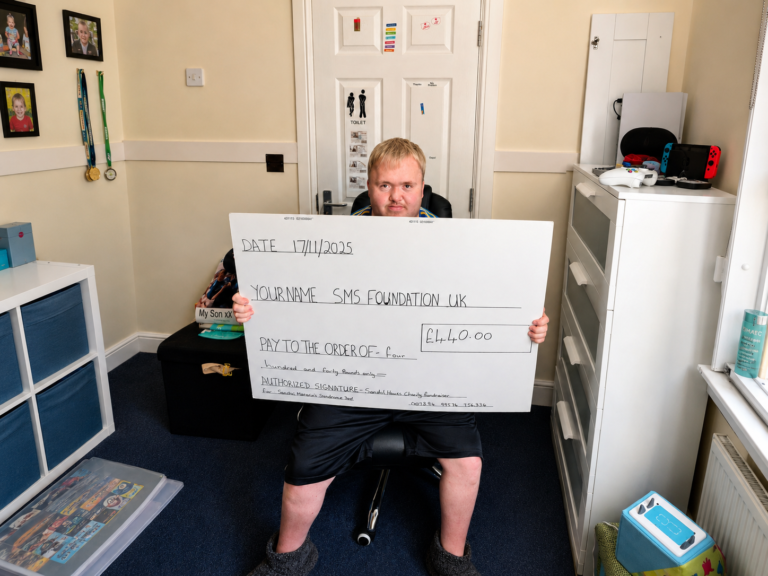
One particularly proud moment came when he was supported to organise his own charity fundraiser for the SMS Foundation UK – a cause with a very personal connection to him. Ben describes the fundraiser as one of the things he is proud of, alongside the life skills and new experiences he has tried since moving to Sandal.
It is another sign that his days are no longer simply about receiving support. They are about participating, contributing and doing things that mean something to him.
“ivolve has made a difference between Ben just surviving and Ben truly thriving. Sandal have made that possible for him and I can’t thank them enough.”
Stacey
Ben's Sister

“The difference between surviving and thriving”
Nobody sees the contrast in Ben’s life more clearly than Stacey his sister. She remembers how frightening it felt when circumstances meant the family suddenly had to make decisions about where Ben would live. She worried about whether people would understand him. Whether they would care for him the way they do.
Today, when she describes visiting Sandal, she talks about a home. “It doesn’t feel like a business,” Stacey said. “It feels like one big family genuinely. Every time we visit it’s just a normal loving home.”
There is laughter. Jokes. Everyday disagreements. Familiar faces. And, most importantly, space for Ben to be Ben. Stacey said, “Ben feels like he belongs. He doesn’t have to act like anybody he isn’t. Whether he’s happy, mad or sad, it doesn’t matter, he can just be himself.”
For his family, that sense of belonging has brought reassurance too. The move gave Ben the space to develop greater independence and build a life beyond the family home, while allowing their relationships with him to grow in a healthy, more sustainable way.
Stacey sums up the difference simply. “ivolve has made a difference between Ben just surviving and Ben truly thriving. Sandal have made that possible for him and I can’t thank them enough.”
“I have learnt new things, and I understand when I am happy or sad. My support team help me do things I have never done before, and help me see my family, which is important to me. They said I can do anything. That makes me smile.”
Ben
Person we support
Ben’s next chapter
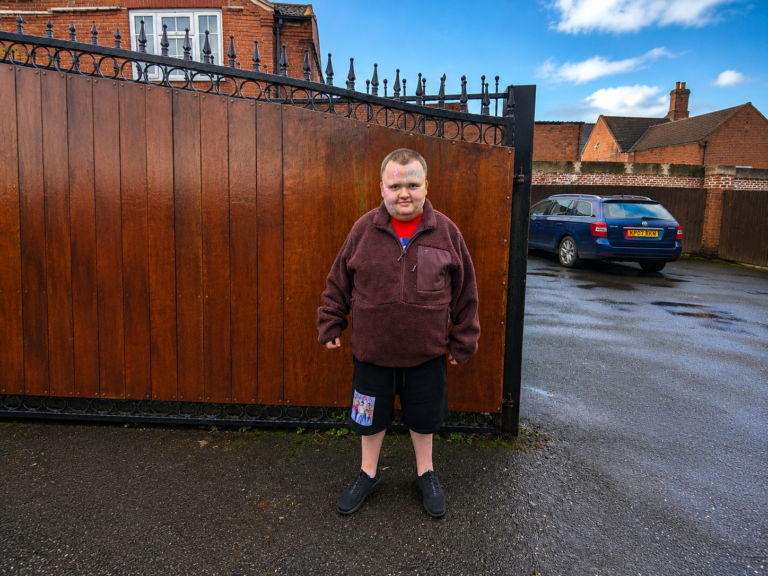
Ben’s story is still unfolding. He continues to attend college and his family say he already has ideas about paths he may want to explore in the future. Those possibilities feel very different now. Stacey said, “From what we are seeing with his progress so far, we know he has so much more to give and learn. These goals now seem possible.”
The team will continue to support Ben in the same way they have throughout his journey: listening first, adapting when needed, creating opportunities and knowing when he is ready to try something new.
Reflecting on Ben’s journey, Chloe said, “Seeing Ben grow in confidence, and engagement, has been incredibly rewarding. He is much more able to express how he feels, take part in everyday life and lead his day in the way he wants to.” She added, “That progress is a real testament to what consistent, individualised support can achieve when you take the time to understand the person behind the support needs.”
There doesn’t need to be a predetermined version of what Ben’s future should look like. When he is ready to decide what comes next, the people around him will help him explore it.
Ben already knows what matters most. When asked about his hopes for the future, he said, “To be happy and carry on enjoying life.” And perhaps that captures his story better than any list of achievements could.
For Ben, person-centred support for complex needs has changed his world. It’s bigger, fun and full of possibility. In Ben’s own words, “I have learnt new things, and I understand when I am happy or sad. My support team help me do things I have never done before, and help me see my family, which is important to me. They said I can do anything. That makes me smile.”
That’s what good support is all about. That’s what we’ll keep striving for.
Support at Sandal
Every person’s story is different. At Sandal, we take time to understand the individual first and build support around what helps them feel safe, connected, confident and able to flourish.